Ecological
Life
"Biodynamic agriculture, water, renewable energy, biodiversity, and climate-change mitigation — life-centered farming as the engine of regeneration."
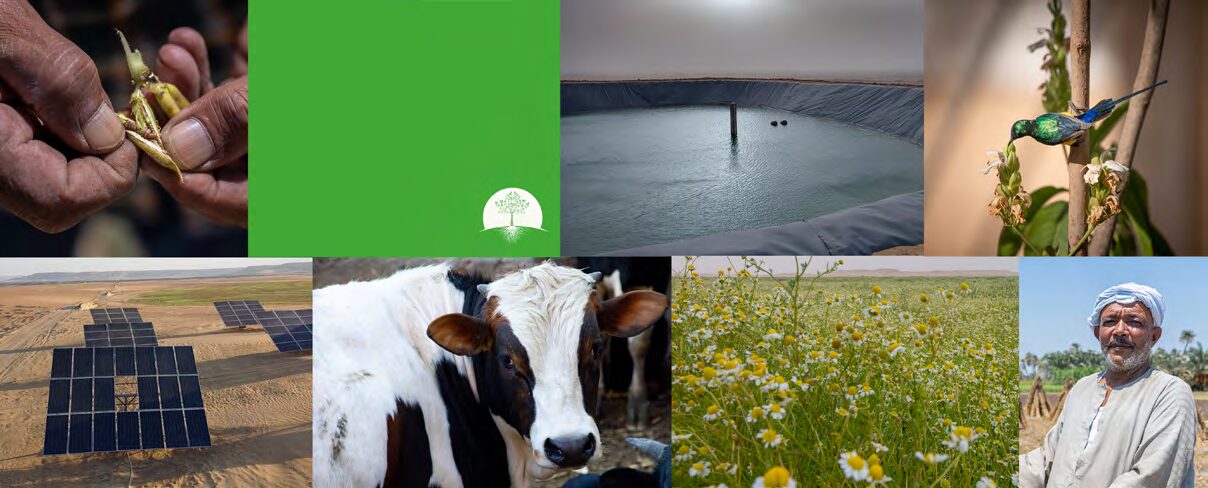

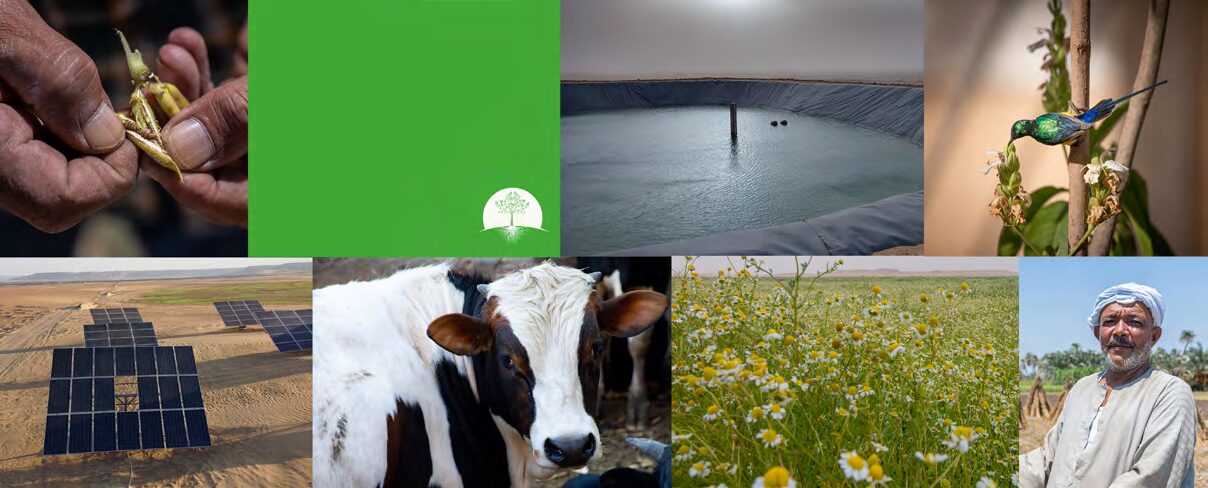
Ecological Life At a Glance 2025
Total cultivated area under EBDA
Number of supplying farmers under EBDA
SEKEM-owned cultivated area
arrow_upward from 628Total trees on SEKEM farms
arrow_upward from 734K in 2024Avg compost per hectare
Soil health contextMilked dairy cows
Livestock metricTotal electricity consumption
Grid + renewablesShare of energy from renewables
arrow_upward from 37% in 2024Total gasoline consumption
Fuel usageWaste water recycled
For tree irrigationTotal agricultural water
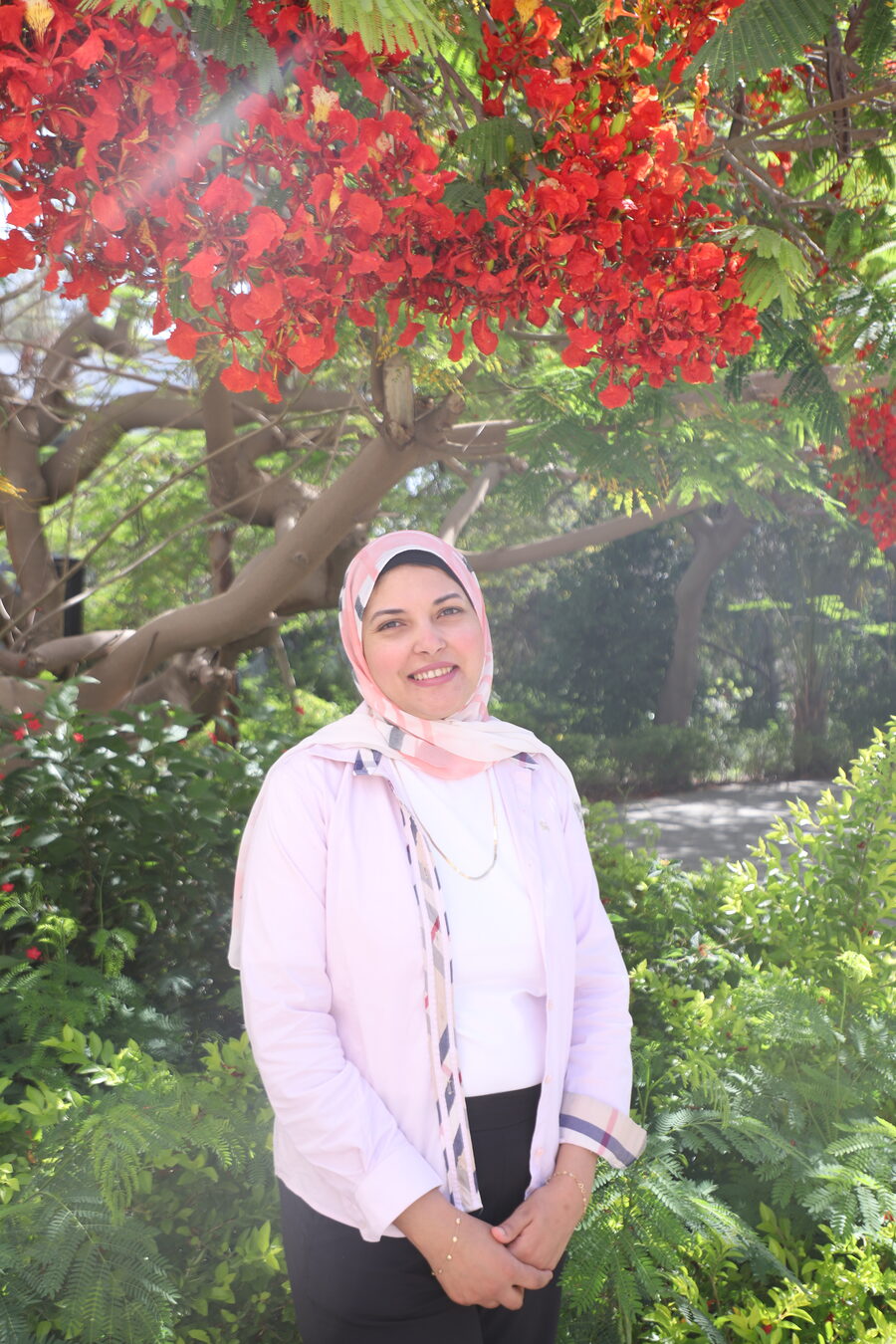
Thoraya Seada
Director of Carbon Footprint Center at Heliopolis University
"Regenerative agriculture turns farmland into a carbon sink — storing atmospheric CO2, restoring soil health, and making farms resilient to drought and extreme weather."
How does the Carbon Footprint Center contribute to climate action?
We work with organizations to help them measure and mitigate their environmental impact, and we provide operational recommendations to optimize energy efficiency and reduce carbon emissions — turning measurement into action.
What's the significance of Egypt's new Voluntary Carbon Market?
We provide continuous on-the-ground training, access to organic inputs like compost, and a guaranteed market for their transitional and fully organic produce.
Ecological Life · 5 Vision Goals
1. Biodynamic & Organic Agriculture
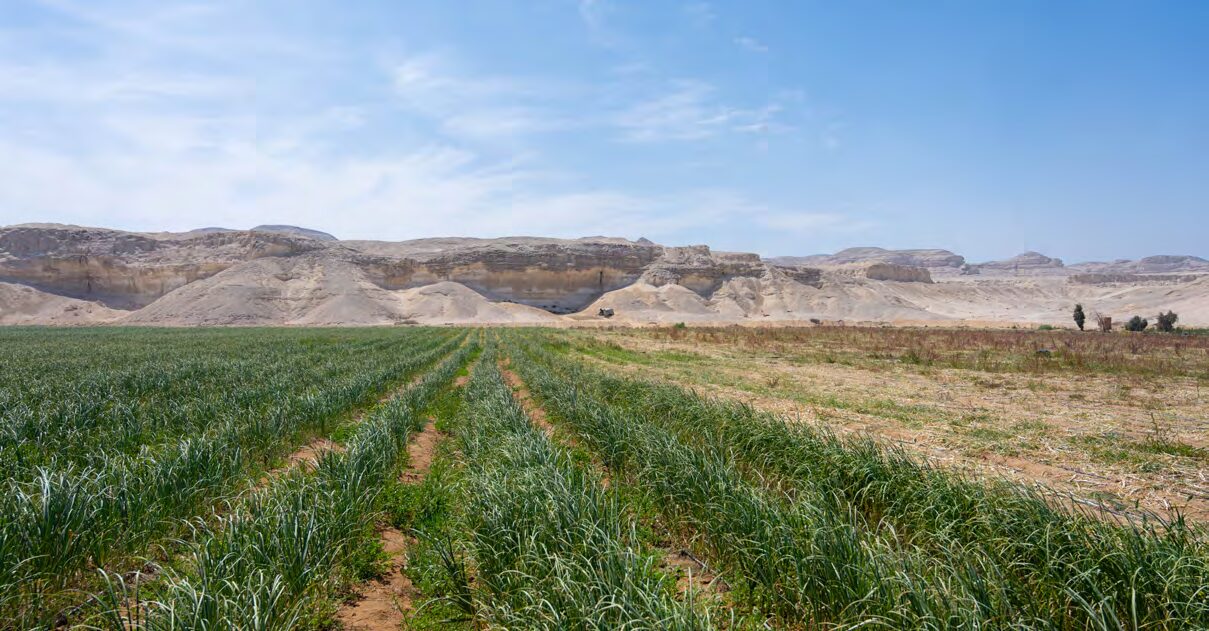
Phase 5Spreading 100% organic and biodynamic agriculture in Egypt.
2. Sustainable Water Management
Phase 3Implementing closed water cycles and highly efficient irrigation systems.
3. Renewable Energies
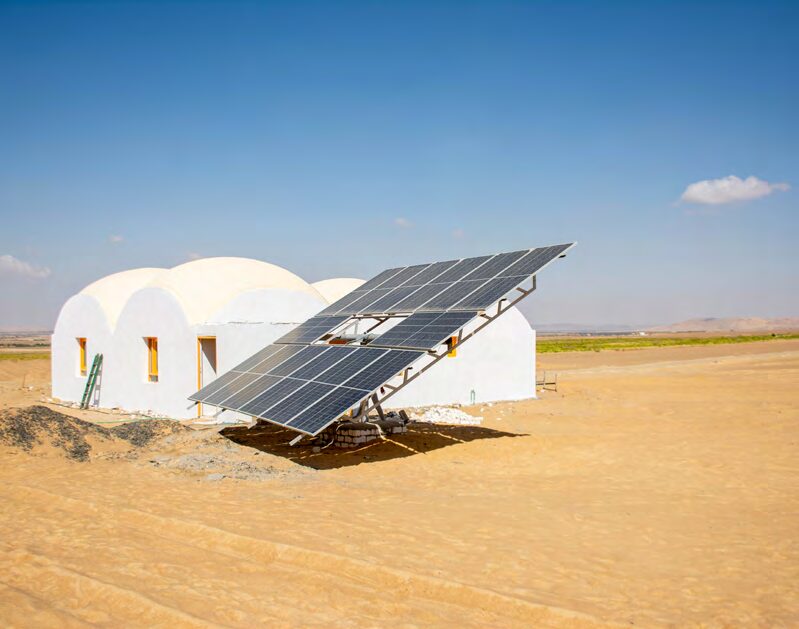
Phase 5Transitioning all operations to 100% renewable energy sources.
4. Rich & Resilient Biodiversity
Phase 2Fostering diverse ecosystems within all agricultural lands.
5. Active Climate Change Mitigation
Phase 4Sequestering carbon through extensive tree planting and soil building.