Why It Matters
High Risk Exposure
Egypt faces significant vulnerability to climate change impacts, threatening food security and livelihoods.
Agricultural Emissions
Conventional agriculture is a major GHG contributor. A paradigm shift is crucial for national mitigation strategies.
Ecosystem Solutions
Biodynamic farming sequesters carbon, builds healthy soil, and provides essential ecosystem services.
Scaling Impact
Through EBDA, empowering 40,000 farmers to transition creates a massive, verifiable positive climate impact.
"SEKEM is a role model as a climate-positive community and disseminated this concept together with Heliopolis University in Egypt."
Performance 2024
Key Metrics
Total Scope 1 & 2 Emissions
ISIS organic emissions YoY
Emission intensity reduction
Generated & issued via Economy of Love
Individual footprints offset
Desert reclaimed and trees planted in Wahat
Our Approach
SEKEM’s climate strategy is rooted in biodynamic agriculture, turning the problem of agricultural emissions into a solution for carbon sequestration and community resilience.
Carbon Credits Generation
Through the Economy of Love (EoL) standard, we accurately measure, report, and verify (MRV) carbon sequestration in soil and biomass. These high-integrity credits are traded to finance further transition.
Greening the Desert
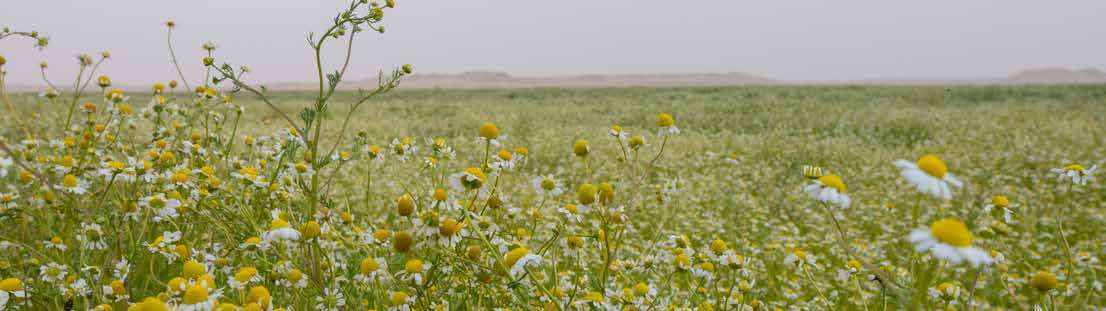
The Wahat farm project demonstrates scalable desert reclamation. Planting 600,000 trees across 7,000 hectares not only captures carbon but creates microclimates and restores biodiversity.
Independent Validation
Our methodologies align with IPCC guidelines and are validated by independent third parties, registered under the UNFCCC framework, ensuring global credibility and transparency.
Motivating Smallholders
Carbon revenue is channeled back to farmers via the EBDA network, providing a direct financial incentive for smallholders to adopt regenerative practices, ensuring a just transition.
Data & Trends
Other News 2024
-
campaign
Global Advocacy
Active participation and advocacy at COP29 and COP16, pushing for nature-based solutions on the global stage.
-
workspace_premium
Leadership Recognition
Helmy Abouleish recognized as a Climate Champion for advancing sustainable business practices.
-
handshake
Strategic Partnerships
Formed a key partnership with the Future Economy Forum to mainstream regenerative economic models.
moving Plan for Next Year
- → Integrate comprehensive carbon footprint tracking for all Heliopolis University students.
- → Expand employee training programs on operational emission reduction strategies.
- → Accelerate tree planting expansion in Wahat and new reclaimed desert areas.
- → Launch AfricarbonX auctions to scale financing for smallholder transition.
- → Implement advanced digital MRV (Monitoring, Reporting, Verification) carbon tracking systems.