Goal 08 · Ecological Life · Phase 2 of 5 · Research
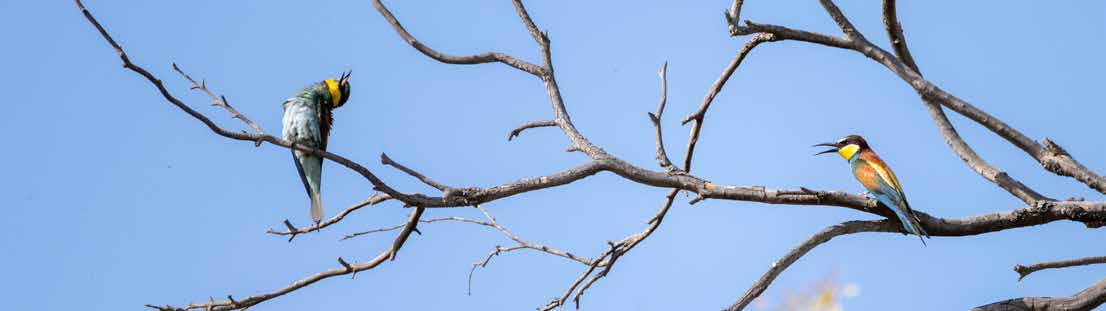
Rich & Resilient Biodiversity
"Biodiversity in Egypt is growing and thriving."
Why It Matters
Mass Extinction
Global decline in species diversity threatening ecosystems.
Land Use Change
Habitat loss due to agriculture and urbanization.
Pesticide Overuse
Chemicals harming non-target beneficial organisms.
Desert Reclamation
Transforming arid lands into biodiverse havens.
Our Approach
Through biodynamic agriculture, we foster ecosystems where flora and fauna co-exist. The botanical garden at Heliopolis University serves as a living laboratory for species preservation.
Farms certified under the Economy of Love (EoL) standard dedicate 10% of their land exclusively to biodiversity enhancement. Our 'Greening the Desert' initiative has resulted in a 5x increase in species richness in previously barren areas.
Performance 2024
New Trees Planted
84,630
Total Trees
733,565
100+
Plant Species Tested
Key Tree Species Mix
Total Number of Trees on SEKEM Farms
Stacked Bar Chart: Adleya, SEKEM 1/2/3, Wahat, Minya, Sinai
feed Other News 2024
- • Botanical gardens established at Minya & Wahat farms, in cooperation with HU — testing 100+ plant species for climate resilience and biodiversity research.
- • 2021 Wahat reclamation study confirmed species loss of 0–49% offset by new species emergence; overall species richness increased 5× post-reclamation.
- • Tree-species diversification: Casuarina, Eucalyptus, Conocarpus, Neem, Mahogany, Acacia, Prosopis, Dalbergia, Gliricidia, Melia, Tipuana — planted in equal proportions alongside fast-growing staples.
- • Expanded EBDA engagement for broader biodiversity impact across farmers.
calendar_month Plan for Next Year
- • Expand biodiversity training, awareness courses, and collaboration with UEBT (Union for Ethical BioTrade) for risk assessments.
- • Develop new seed varieties and expand the EBDA Seed Bank; promote biodynamic-farming resilience.
- • Install agroforestry plots, expand biodiversity areas, implement desert reforestation at SEKEM farms.
- • Enhance botanical gardens, integrate biodiversity metrics, and study carbon-credit certification.
- • Use solar-powered irrigation, support crop rotation, and implement zero-emission shipment initiatives.
Our Goal 2027
"SEKEM and HU established and disseminated concepts for biodiversity optimization."
Vision 2057
Ecological Pillar